
Sixteen category walls, and how to judge what sits on them
A category wall is the easy part. The hard part is reading a single listing well enough to know whether it will survive a warehouse inspection, a customs desk and a return window. That is what the rest of this page is about.
Searching here jumps straight into the catalogue. Ordering happens on the operator's site.
The sixteen category walls
Each wall is a scrollable page of product cards in one category. Open a card and you land on the catalogue listing, which carries the original seller link and the pictures the seller published. Women wear is the one exception in the set: it has no wall of its own and opens as a search instead, which is worth knowing before you go looking for it in the list.
The reason to browse by category rather than by search is that the rules cluster by category. Everything sealed lands in the same corner of the return rules. Everything with a battery or a liquid in it lands in the same corner of the shipping rules. Walking a wall shows you that pattern in a way a search box never does.
16 categories
No category matches. Try a broader word or clear the filter.
 Sneakers
Ask what the shoe boxes do to the parcel before you order five pairs. Keeping them is your own call at the warehouse, and it is the choice that meets a size limit long before it meets a weight limit.
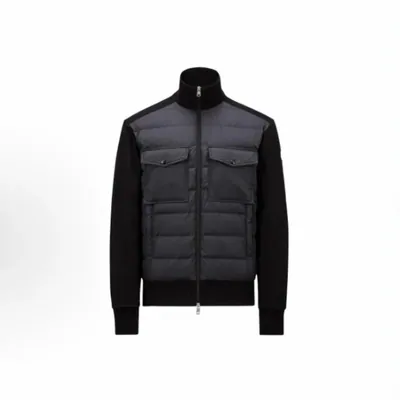 Outerwear
A winter coat is bulk before it is weight. Read what a route will carry first and choose the coat second, rather than finding the ceiling after the box is already packed.
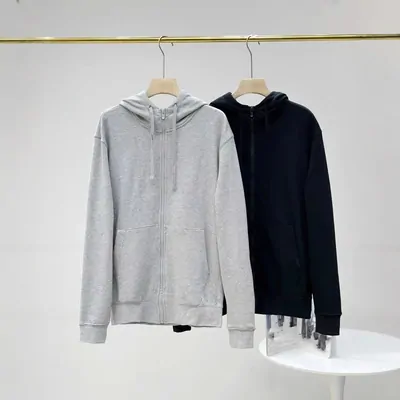 Hoodies
Plain cotton is the case where nothing goes wrong, which makes it a sensible first order. You find out what the warehouse checks while nothing much is riding on the answer.
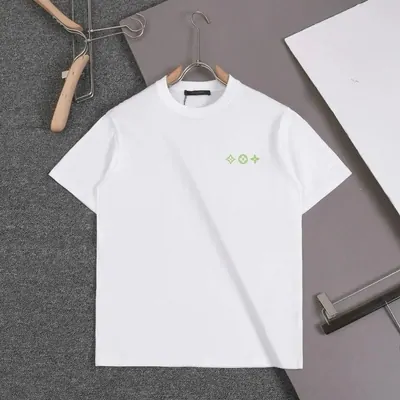 T-Shirts
Cheap and light is not the same as unexamined. The box still gets opened, and on a T-shirt it is usually the print rather than the shirt that gets looked at.
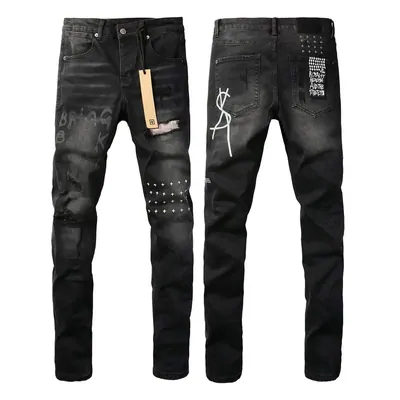 Jeans
JeansDenim is heavy for how little room it takes up. Weight is the one limit you cannot talk your way around once the parcel is sealed, so work it out before you consolidate rather than after.
 Sweatpants
The top and the bottom of one outfit reach the warehouse as two pieces, not as one purchase. Count pieces when you read a fee table, because pieces are the unit the bands are written in.
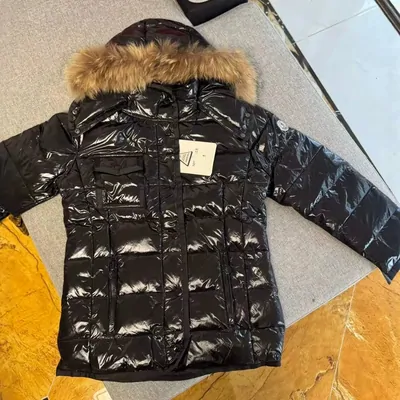 Womenswear
Womenswear has no section of its own here, so this card hands a keyword to the search instead. What comes back shifts as sellers relist, so save the link to an item and not to a page of results.
 Jerseys
Team shirts carry names, numbers and crests that belong to somebody else. That is the ground the operator states its counterfeit clause on, and the clause is short enough to read before you order.
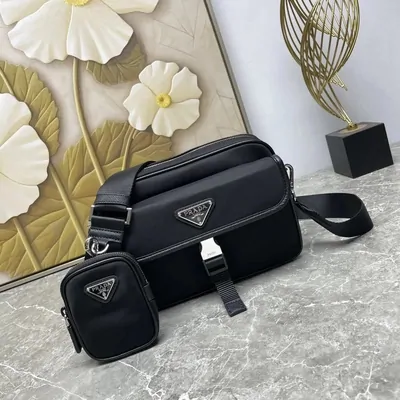 Bags
BagsOnce the value climbs, the question stops being postage and starts being cover. Find the ceiling that applies on your route before you decide what the box is worth to you.
 Hats
HatsA cap is cheap to buy and cheap to replace. Whether it is worth covering has a real answer, and the answer comes from the published figures rather than from what you paid.
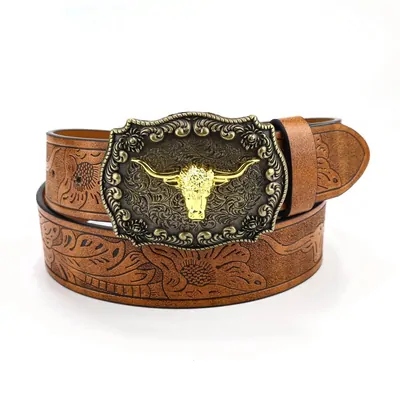 Belts
BeltsAccessories go in last, when the order is already sitting near the edge of a band. One more small piece can be the piece that moves the whole parcel into the next one.
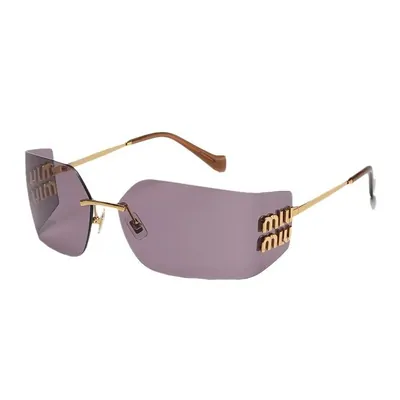 Eyewear
Lenses break. Breakage is where the gap between a covered route and an uncovered one stops being an abstraction and turns into a figure you either can or cannot claim.
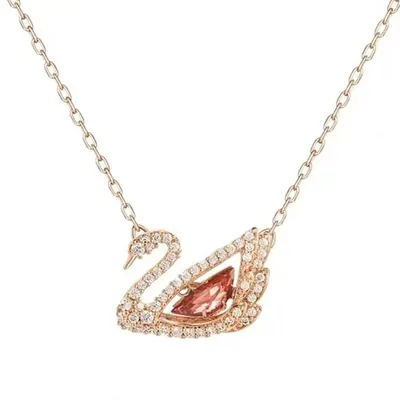 Jewelry
Small, valuable and easy to lose inside a full parcel. This is the category where the cap on a claim matters more than anything you are going to save on shipping.
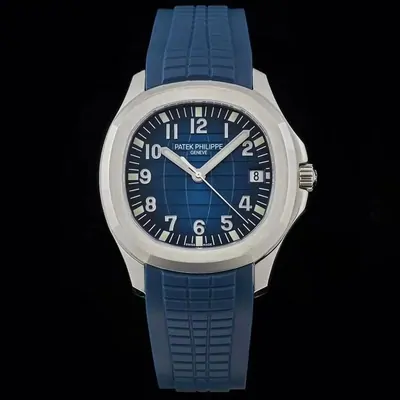 Watches
One watch can be worth more than everything else in the box put together. Read what the route would actually pay out before you decide it travels with the rest of the order.
 Perfume
Fragrance is alcohol, and alcohol is the plainest example of the difference between restricted and prohibited. Work out which of the two words applies before you order, not afterwards.
 Electronics
A battery picks the route before you do. Find out what can still carry the parcel, and whether it can be covered at all, while you are still deciding whether to buy it.
Reading a listing before you commit to it
Four checks, in the order that saves the most money. None of them requires you to speak Chinese, and all four can be done from the listing page before anyone has been paid anything.
Decide which rule family the item belongs to
Does it contain a liquid, a powder, a magnet or a battery? Is it sealed from the factory? Is it branded? Each answer sends the item into a different rulebook, and two of those rulebooks can stop it from shipping at all. The lists that decide it.
Check how many pictures the seller actually published
A listing with one picture gives the warehouse nothing to compare against when the inspection photographs come back. You cannot dispute a difference you have no reference for.
Ask whether it could be inspected even in principle
The operator states that it checks appearance and accessories and does not power equipment on. For anything electrical, the inspection will not tell you whether it works. What inspection covers.
Work out what it would cost to be wrong
Add the domestic shipping back to the seller, the shipping out to the seller again, and the service fee for that month. On a cheap item that total can exceed the item. The fee ladder.
Who is responsible for what is in the box
This is the sentence to read before you spend anything. The operator states, in its own disclaimer, that everything offered through its purchasing service comes from third party platforms and is not sold by it, and that it therefore does not take liability for intellectual property or copyright problems with those goods.
That is not a loophole, it is the actual structure of the arrangement, and it is the same structure everywhere in this industry. What it means for you is that the seller is the counterparty for quality and the operator is the counterparty for handling. Sorting a complaint starts with working out which of the two you are actually complaining about. The rest of the disclaimer, clause by clause.

Choosing a product discovery site worth using
There are a lot of these sites now, including this one, and most of the differences between them are invisible until something goes wrong. These are the questions that separate them, written as questions you can answer by looking rather than by trusting.
- Does it say where a number came from
- Any site can print a shipping time or a compensation ceiling. The useful ones tell you which page it was read from and on what date, so you can check whether it still says that.
- Does it distinguish the seller from the agent
- Sites that blur the two will tell you an agent guarantees quality. No agent in this model does. The published disclaimer above says so in the operator's own words.
- Does it show you the rule or summarise it
- A summary is somebody reading for you. On a dispute you need the sentence, because the wording decides it. Screenshots with a source link beat paraphrase.
- Does it ever tell you not to buy
- A catalogue that has no opinion about which categories are risky is a catalogue optimised for clicks. Sealed goods, electricals and anything with a battery genuinely are harder, and a useful site says so.
- Can you tell who is writing it
- A named editor and a working address is a low bar, and a surprising number of sites in this niche do not clear it. Who writes this one.
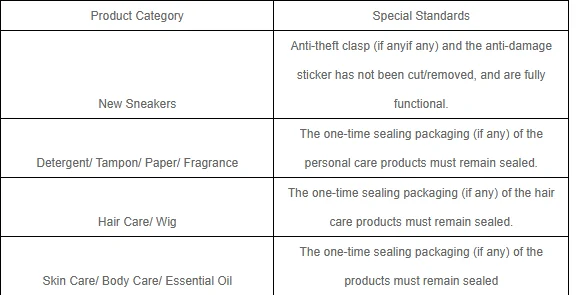
The sealed item problem, decided at the moment you order
There is a category of purchase where the decision to keep it is made before you ever see it. The operator publishes a table of what it calls special standards: conditions an item has to still be in for a return to be possible at all. For a long list of goods that condition is the factory seal, unbroken.
Read that against the inspection rules and the trap becomes obvious. The warehouse will not open a sealed item, so you cannot have it checked. If you ask for it to be opened, it stops being returnable. There is no third option, and the choice is yours at the point of ordering rather than at the point of delivery. The full table of conditions, category by category.
Judging a seller from the listing alone
The operator names seller credit as one of the risk categories in its own disclaimer, and it names a specific signal: whether the shop has passed a credit level on the platform and whether the platform guarantee applies. You can check most of that from the listing page. What follows splits the signals into ones you can verify and ones that only look like signals, which is as close as this site gets to a rule for how to judge a seller you have never bought from.
Worth checking
- Platform credit level, and whether the platform guarantee scheme covers the shop. The operator flags this itself. Where it says so.
- Whether the listing is a fixed price or a deposit. A deposit order on a Chinese platform cannot simply be cancelled, and an unpaid balance forfeits it.
- Whether anything about the item is customised. Customised goods sit outside the return guarantee entirely, and evidence of what you asked for has to come from the chat with the seller.
- How recently the listing was updated, and whether the pictures are the shop's own photographs or lifted from a brand.
Not worth anything
- Sales counts. They tell you the shop has been busy, not that it shipped the thing in the picture.
- Star ratings on a translated listing. The translation layer flattens the text that would tell you what the complaints were about.
- A long description. Length is free.
- Any promise about customs, tax or delivery speed made in a listing. The seller has no visibility of the route your parcel will take. What decides that.